

How a single Spotify editorial decision can take an African artist from obscurity to the world stage overnight — and what it actually takes to get there.
Debutlab · Issue 01 · African Music & Tech
There is a moment that many Nigerian artists can describe almost to the hour. They wake up to a notification they have never seen before. Their streams — which had been crawling at a few hundred a day — have exploded overnight. Their Spotify for Artists dashboard looks like someone spilled red ink across it. Fans from countries they have never visited, countries whose flags they have to Google, are suddenly saving their songs.
The cause, almost always, is a single editorial playlist placement.
In the world of African music’s digital rise, few forces have been as quietly transformative as Spotify’s editorial playlist system. Not algorithms. Not TikTok challenges. Not radio — though all of those matter. The editorial playlist, a hand-curated list assembled by a real human being sitting in a Spotify office, remains one of the most powerful and least understood levers in the African music machine.
This is the story of how that system works, why it matters so much for African artists, and what it really takes to get through the door.
A Pyramid Nobody Talks About
Spotify does not randomly assign songs to playlists. Behind the platform’s seemingly effortless recommendation engine is a deliberate architecture called the Playlist Pyramid.
At the base of this pyramid sit the local and niche playlists. smaller, genre-specific, community-focused lists that serve as the entry point for emerging artists. For a Nigerian artist making Afrobeats, this might mean landing on Naija Hits or No Wahala. For a Ghanaian drill act, it could be +233 Bars or Asakaa. These playlists have modest followings but they are not small in importance — they are where Spotify editors first look to see whether a new artist is resonating.
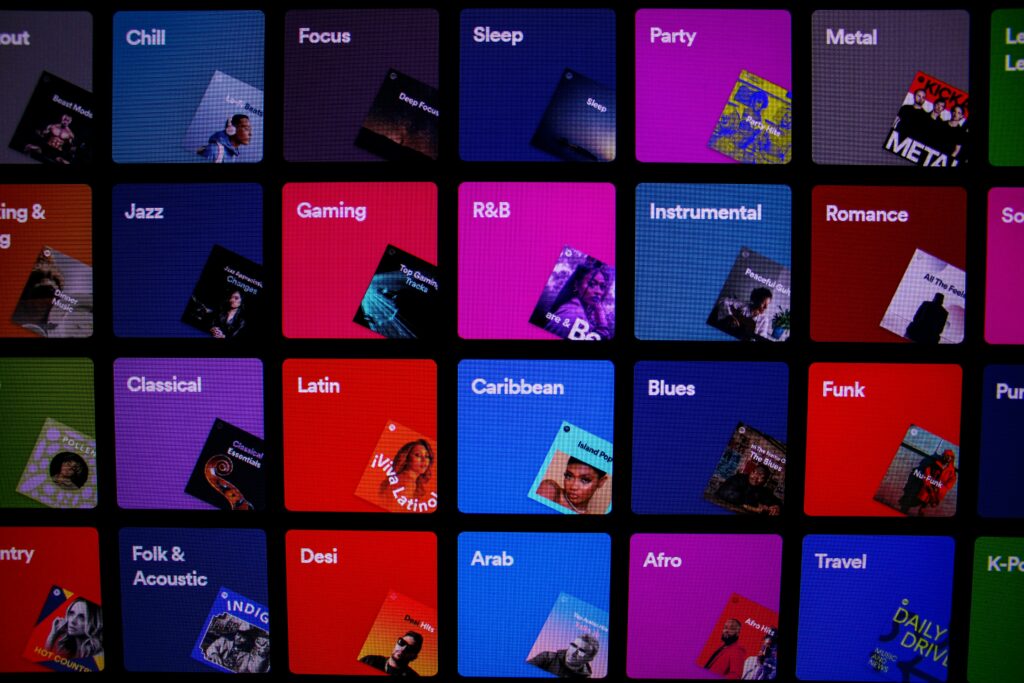
Perform well at the base and the doors above begin to open.
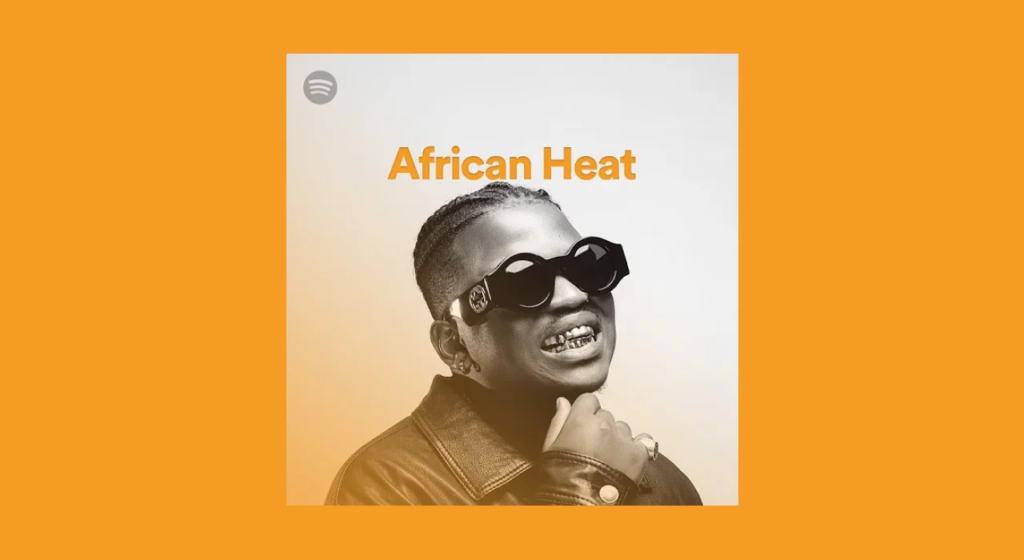
African Heat sits near the top of this regional pyramid. It is genre-agnostic, accepting Afrobeats, Afropop, Amapiano, Alte, and everything in between, and it functions as the continent’s flagship showcase. A placement on African Heat does not just bring streams — it sends a signal throughout Spotify’s entire algorithmic ecosystem. Discover Weekly engines begin to notice. Release Radar picks it up. International editorial curators from hip-hop, pop, and R&B; playlists start paying attention.
Above African Heat, there is the global tier: Today’s Top Hits, New Music Friday, Rap Caviar. The playlists with tens of millions of followers. The ones that can, in a single week, rewrite an artist’s career.
Black Sherif’s journey through this pyramid is one of the clearest illustrations of how it works in practice. His particular blend of Ghanaian highlife, drill, and trap caught the attention of Spotify’s Sub-Saharan Africa editorial team, who placed him in the local playlists first. As his numbers climbed, he graduated to Hot Hits Ghana, then African Heat. International hip-hop editors noticed his growing cross-border audience and pushed him onto City to City, the platform’s global flagship playlist for drill. By 2022, he was a RADAR artist — Spotify’s formal programme for breakthrough acts. None of that happened randomly. It moved through the pyramid, step by deliberate step.
The People Behind the Algorithm
This is the part that surprises most artists when they first hear it: Spotify’s editorial playlists are not assembled by machines. They are made by human beings. editors with cultural knowledge, genre expertise, and genuine opinions about music.
Phiona Okumu, Spotify’s Head of Music for Sub-Saharan Africa, has become one of the most important figures in the African music industry precisely because of this role. She and her team in Lagos are the people watching which songs are circulating in WhatsApp groups, which new acts are building heat before they ever appear on a chart, which sound feels like it is about to cross a border. When they hear something that fits, they put it on a list.
The editorial system is, at its core, a relationship between data and human judgment. Spotify gives editors access to a rich set of signals — streaming velocity, save rates, listener geography, engagement depth — but the final decision belongs to a person who loves music and understands the culture it comes from.
This is why an artist’s save rate matters so much. A track that is being actively saved to personal libraries — not just streamed once and forgotten — tells editors that listeners are investing in it. According to one analysis of Spotify data, artists with a save rate above eight
percent on their most recent release were nearly three times more likely to receive an editorial placement on their next submission than artists with a save rate below three percent. The algorithm does not make the call, but it absolutely informs the human who does.
The Pitch Nobody Explains Properly
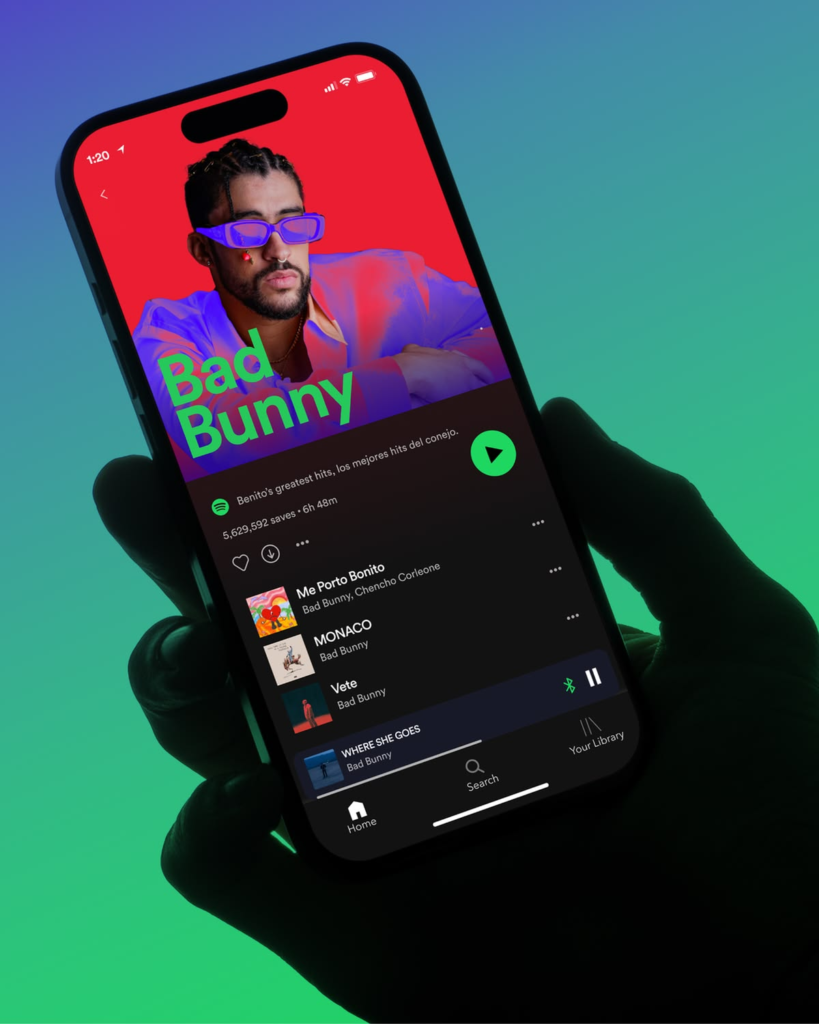
Every artist on Spotify has access to one formal opportunity to reach Spotify’s editorial team directly: the playlist pitch tool inside Spotify for Artists. It is available for every upcoming, unreleased track. It is free. And it is almost entirely misunderstood.
The process sounds simple. You submit your unreleased track at least seven days before it goes live. You fill out a form describing the song. its genre, subgenre, mood, instrumentation, and cultural context. You have 500 characters, roughly the length of a tweet, to make the case for why this song belongs on an editorial playlist. Then you wait.
What most artists do not know is that a real human reads every single pitch. Not a machine that filters by keyword. A person. And that person is trying to answer one question: where does this song naturally fit in the listening universe?
The pitch mistakes are consistent across artists at every level. The most common is submitting too late. Seven days is the minimum the system requires, but by that point, editorial teams may have already finished their planning cycle for the release window. The artists who consistently earn placements submit four weeks in advance, sometimes more.
The second mistake is writing about themselves instead of the song. Editors do not need to be convinced of an artist’s talent or backstory. They need to be able to picture exactly where the song belongs. What time of day does someone listen to it? What does it feel like? What playlist does it naturally sit beside? Specificity is everything. “Good vibes” tells a curator nothing. “A late-night Lagos street energy record with a Talking Drum lead and English-Pidgin call-and-response hook, built for the drive home” tells a curator exactly what they need to know.
The third mistake is ignoring the metadata. The genre tags, mood labels, and cultural context fields are not decorative. They feed directly into how Spotify categorizes the music for algorithmic recommendations, and they help global editors — who may not be deeply familiar with Nigerian or Ghanaian sonic vocabulary — understand where the track lives.
The WhatsApp Signal
Here is something Spotify’s public documentation will never tell you but that editors in Lagos understand intimately: for African markets, the playlist decision very often begins before a song ever arrives in the pitch queue.
Tracks that have already traveled through Nigerian WhatsApp music groups, South African culture accounts, and diaspora Discord servers arrive at the pitch stage with something invisible but enormously valuable: engagement signals that are already visible inside Spotify’s data. A song that has been shared widely on informal networks before its release will often show accelerated saves and streams in its first 48 hours. Spotify editors see that velocity. It changes how they evaluate the pitch.
This is why the most sophisticated African artists and their teams treat WhatsApp distribution as a pre-Spotify marketing layer, not an afterthought. The informal network is not separate from the streaming ecosystem. It feeds it. A song that warms up in the informal networks first arrives on Spotify hot, and hot songs get placed.
What Placement Actually Does
In 2025, Nigerian artists generated over 30 billion streams on Spotify. Nearly 2,000 Nigerian acts received editorial playlist placements. Royalties paid to Nigerian artists hit record levels. These numbers are not accidents — they are the compounding result of playlist placements triggering algorithmic placements triggering more playlist placements in a cycle that, once started, can be very difficult to stop.
Rema’s Calm Down is the most cited example. Its journey from a record built with deep Afropop roots to the first African-led single to surpass one billion Spotify streams passed directly through this system. Fan-made clips and dance challenges built pre-release heat. Spotify editorial placements in African markets gave it institutional weight. The Selena Gomez remix expanded its global surface area. Algorithmic playlists in Latin America, where Afrobeats streams have grown by over 400 percent since 2020, picked it up and carried it somewhere no Nigerian music PR team had a contact.
That is the nature of what an editorial placement can unlock. Not just streams. A cascade.
The Quiet Gate
For all the talk of algorithms and data, the Spotify editorial playlist system is — at its heart — a gate kept by people who care deeply about music. People who are watching for the sound that is about to cross a border, the voice that is about to be discovered by someone on the other side of the world.
African artists who understand this — who treat the pitch tool seriously, who build genuine pre-release heat, who maintain the save rates that signal authentic engagement — are not just gaming a system. They are participating in a conversation. One that, increasingly, the rest of the world is listening to.
The notification that changes everything starts with someone, somewhere, pressing play.
Debutlab publishes one story a week on how African music moves in the digital age.
thedebutlab.com