

It did not arrive like an invasion. It arrived like weather — slowly, then all at once. What Amapiano did to Nigeria’s music scene was not replacement. It was renovation.
Debutlab · Think Piece · African Music & Culture
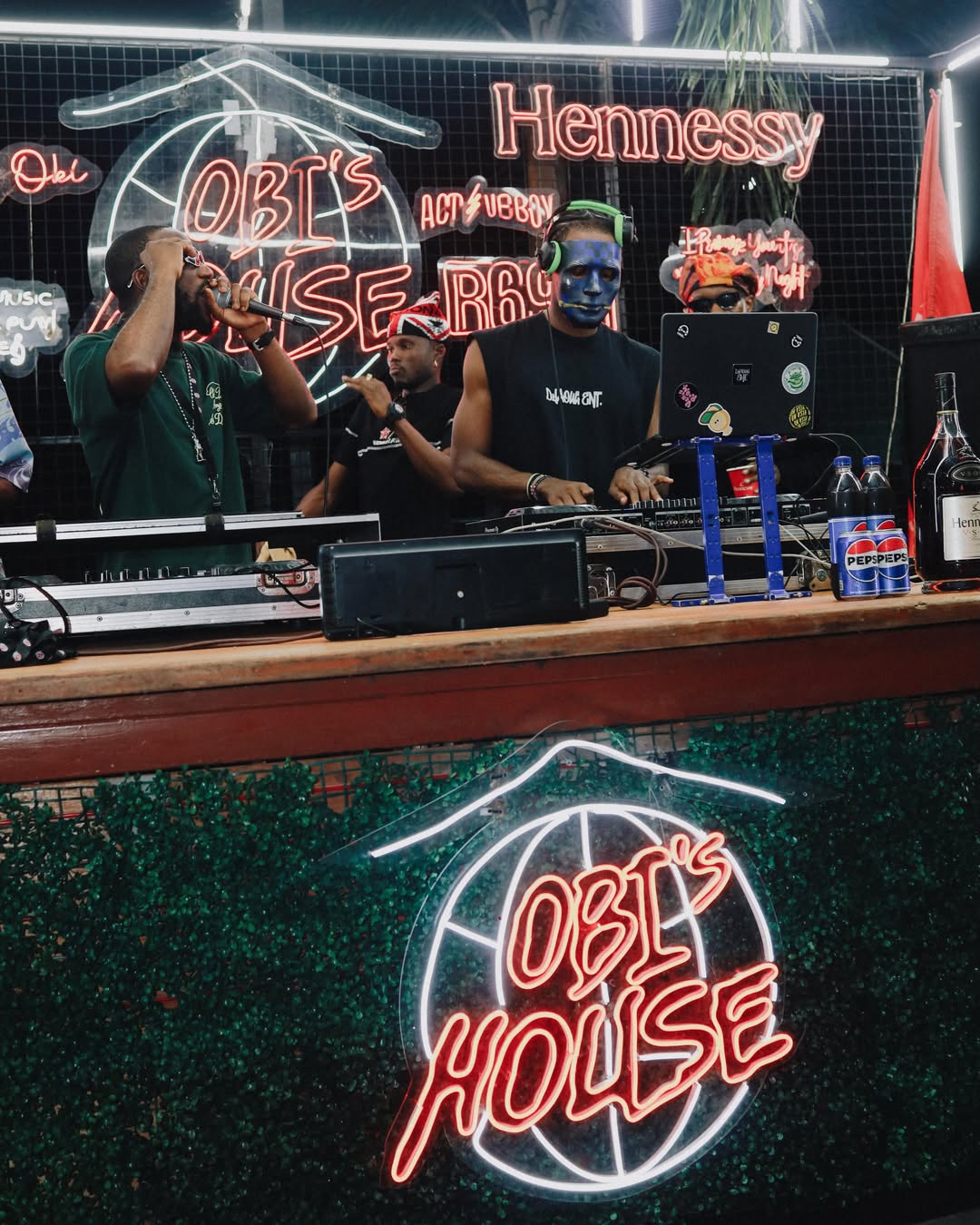
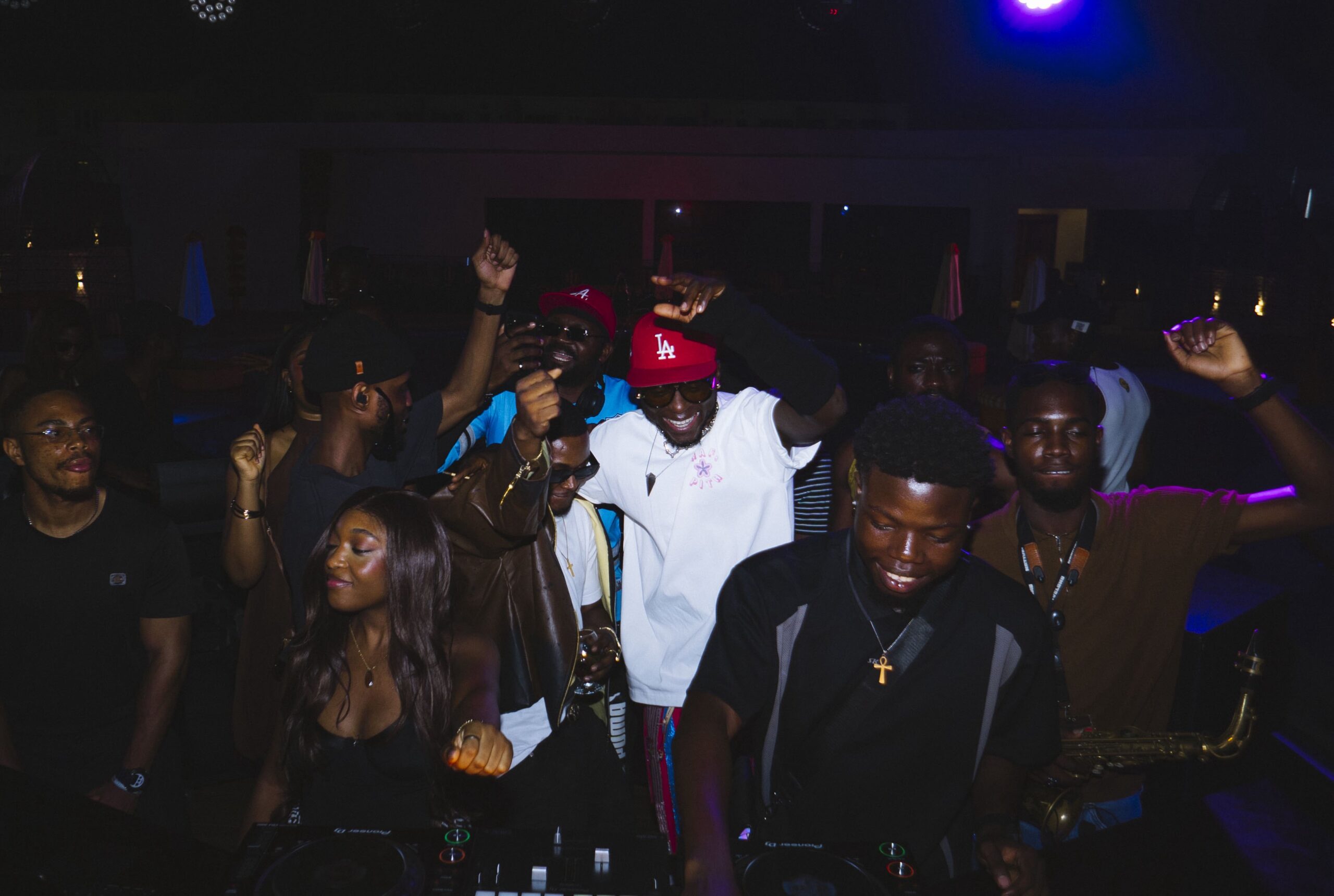
There is a Monday night in Lagos that has become something of a cultural institution. At Shiro Lagos on Victoria Island, the doors open and people arrive the way they always do for Obi’s House — dressed sharply, moving deliberately, ready for something. DJ Obi takes the decks. The crowd is a cross-section of the city’s tastemakers: artists, producers, creatives, people who work in music and people who simply love it. And what fills the room is not a single genre. It is a conversation between genres — Afrobeats segueing into Amapiano, Amapiano bleeding into Afro house, the log drum appearing and disappearing like a familiar face at a party.
Obi’s House did not set out to be a document of Nigerian music’s transformation. It started, as DJ Obi has told it, as a way to keep people company during the pandemic — a live stream from his own living room when the world had locked itself indoors. But as it grew into a weekly Lagos institution, drawing surprise appearances from Burna Boy, Poco Lee, Blaqbonez, and Balloranking, it became something else: a real-time recording of the moment Nigerian music stopped treating Amapiano as a foreign genre and started treating it as a mother tongue.
“The club scene back then was dominated by foreign music, but now you hear more Nigerian music being played in the clubs.”
— DJ Obi, founder, Obi’s House
The Arrival
Amapiano entered Nigeria’s mainstream around 2020 — slowly at first, carried by WhatsApp group chats, DJ sets, and the infectious spread of South African social media dance challenges during the pandemic. The genre’s signature log drum bassline, jazz-inflected piano chords, and rolling shaker-driven rhythm were initially encountered as novelties: something playing in the background at a Lagos party, a sound you could not quite name but could not stop moving to.
The early adopters were largely in the DJ and producer community. Artists like Major League DJz had been making continental inroads since 2019, their Balcony Mix series reaching Nigeria’s music class precisely at the moment when the pandemic had removed every other source of cultural input. For a community starved of live music, the long, hypnotic sets offered something Afrobeats’ verse-hook-verse structure rarely did: extended groove, music designed not for a three-minute pop single but for a night that wanted to breathe.
Nigerian artists did not take long to respond. Tiwa Savage gave Dangerous Love an Amapiano remix with South African producer De Mthuda. Wizkid folded Amapiano drums into Bad To Me and 2 Sugar. Rema’s Woman brought log drum percussion into direct conversation with Afrobeats kick patterns. But these were experiments — explorations by established acts who could absorb the influence without reorienting their entire creative identity. The deeper transformation was happening elsewhere, in studios and DJ booths and basement parties, among a younger generation of producers and selectors for whom Amapiano was not a foreign sound to be adopted but simply the sound they were making.
Smeez and D3an: The Pure ‘Piano Position
The story of Smeez and D3an begins, fittingly, in Instagram DMs. The two connected online — Smeez from Lagos, D3an from Port Harcourt — and discovered a shared obsession with electronic music that Nigeria’s mainstream had not yet made room for. Smeez had been shaped by Major League DJz and Western production methods absorbed through hours of YouTube study. D3an came from a different direction entirely: European dance music, Avicii, Swedish House Mafia, Daft Punk. What they found together was a third thing — a sound rooted in Amapiano’s log drum architecture but carrying the particular energy of two Nigerian cities.
In just two years, they became one of the most talked-about DJ and producer duos in Lagos nightlife. Their fame first spread when D3an remixed Alpha P’s Paloma and Smeez produced L.A.X’s Faster — records that announced their arrival in the mainstream without compromising the electronic conviction that set them apart. They went on to collaborate with DJ Tunez on Kokoka, work alongside South African architects Tyler ICU and Major League DJz, and appear on Niniola’s album Press Play. Their project Sabali, featuring Ema Onigah and Dandizzy, demonstrated a duo that had moved well beyond local novelty.
What distinguished Smeez and D3an in a landscape that was increasingly Amapiano-adjacent was their insistence on the genre’s authenticity. Mixmag described their approach as producing
pure piano — a deliberate refusal to dilute the South African sound with the pop-centric concessions that Nigeria’s mass market often required. In a scene where the log drum had become a flavouring — sprinkled onto Afropop to give it texture — Smeez and D3an were making music that put the log drum at the centre of the architecture.
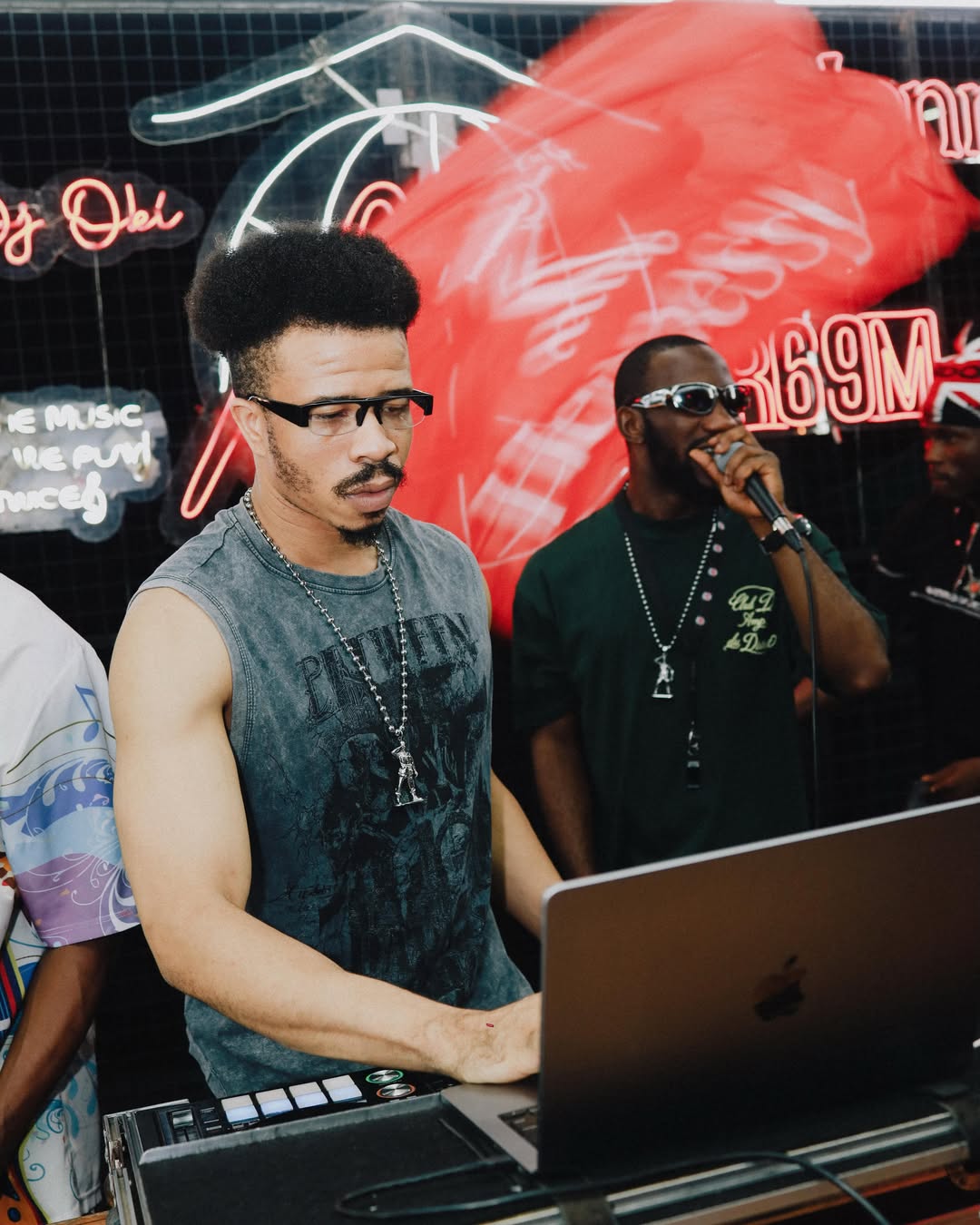
Their sets at Obi’s House became something of a proving ground. The crowd at Victoria Island on a Monday night is not a passive audience. It knows its music, responds to craft, and is not easily impressed. The fact that Smeez and D3an kept being invited back, kept generating the kind of heat that spreads from Lagos parties into the city’s cultural conversation, spoke to something real: they were not performing Amapiano for a Nigerian crowd. They were making Nigerians feel Amapiano from the inside.
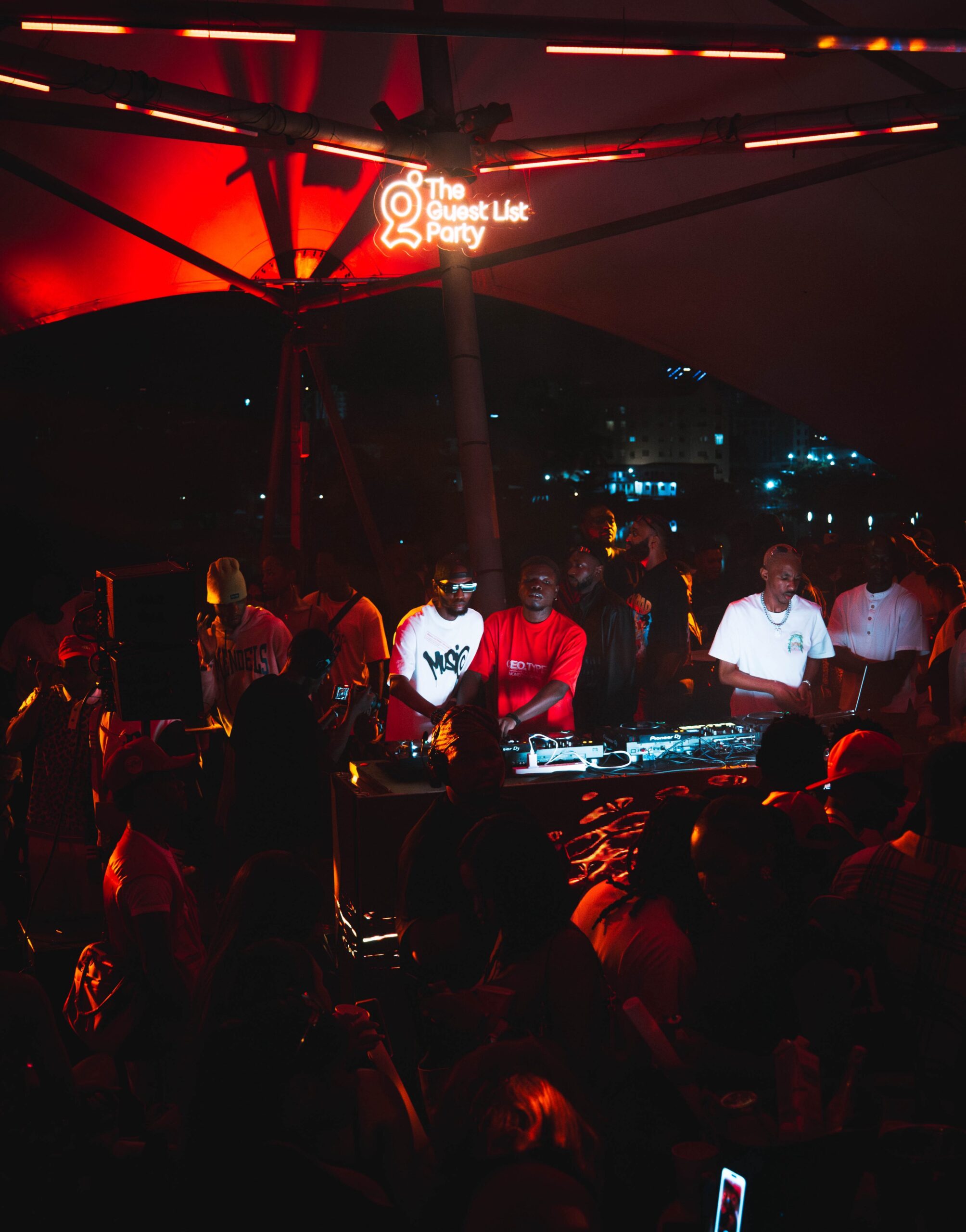
“We basically just incorporate the Nigerian elements in our music — you hear this mostly from the vocals.”
— D3an, producer and DJ
The Architects: Major League DJz and the Bridge
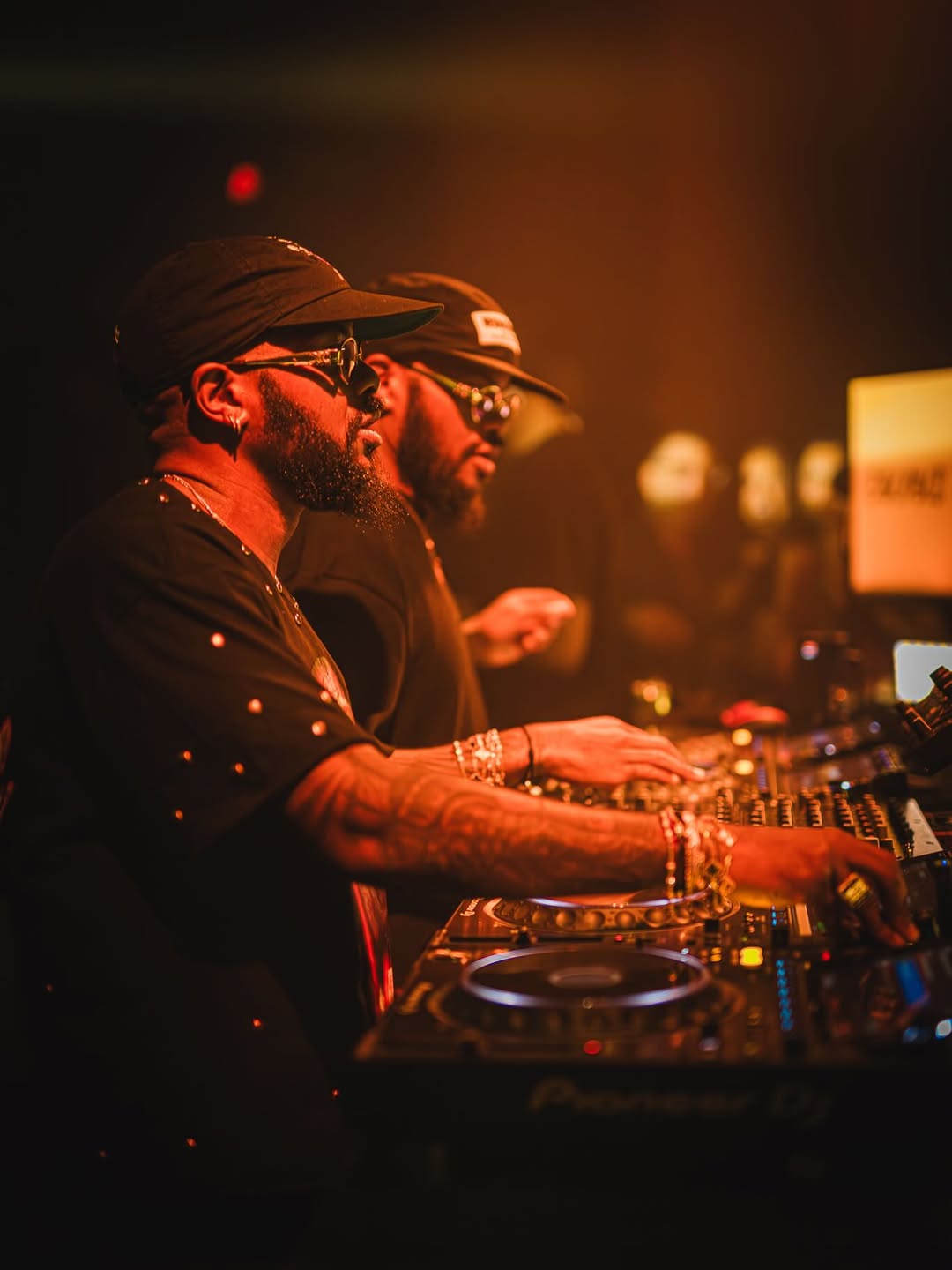
Before Smeez and D3an, before the Monday nights at Obi’s House, before the log drum appeared in the vocabulary of every Nigerian producer with a DAW and an ambition, there was the continental relay. And at the centre of that relay were Major League DJz.
The twins Bandile and Banele Mbere had been recording Amapiano’s journey since 2019 through their Balcony Mix Africa series — long-form DJ sets recorded at locations across the continent that functioned as both document and dispatch, sending the sound to wherever there was an internet connection. Their 2021 album Outside brought the relay directly to Nigeria, featuring Zinoleesky, Boj, and a cast of artists who understood that what they were being invited into was not a collaboration so much as a cultural exchange. The album demonstrated something important: Amapiano and Afrobeats were not incompatible. They were cousins who had grown up in different cities and had a lot to say to each other.
The twins were explicit about what they were doing. They spoke about hooking up South African artists with Nigerian ones — Aymos with Victony, MORDA with Pheelz — not simply to produce records but to crack open opportunities for how South Africa’s mainstream approach to house music could be reiterated across the continent. In Nigeria specifically, they were not delivering a finished product. They were handing over a language and watching what Nigerians did with it.
Obi’s House: Where the Transformation Became Public
To understand what Amapiano did to Nigerian music culture, you have to understand what Obi’s House became — and how it became it.
DJ Obi launched the series during the pandemic as a live stream from his Lagos home. In its earliest form it was intimate, the sound of a DJ playing for an invisible audience that needed music precisely because they could not be anywhere music was being played. When the world opened again, Obi’s House opened with it — relocating to the Hard Rock Cafe at Landmark Village on Victoria Island, then to Shiro Lagos, growing in scale and cultural weight with each season.
The turning point, by Obi’s own account, was Rema’s first visit in 2022. The energy that night was so overwhelming it forced a venue change. But the moment also signalled something larger: Obi’s House had become a space where Nigeria’s biggest artists wanted to be, where the music playing beneath their appearances was not strictly Afrobeats and had not been for some time.
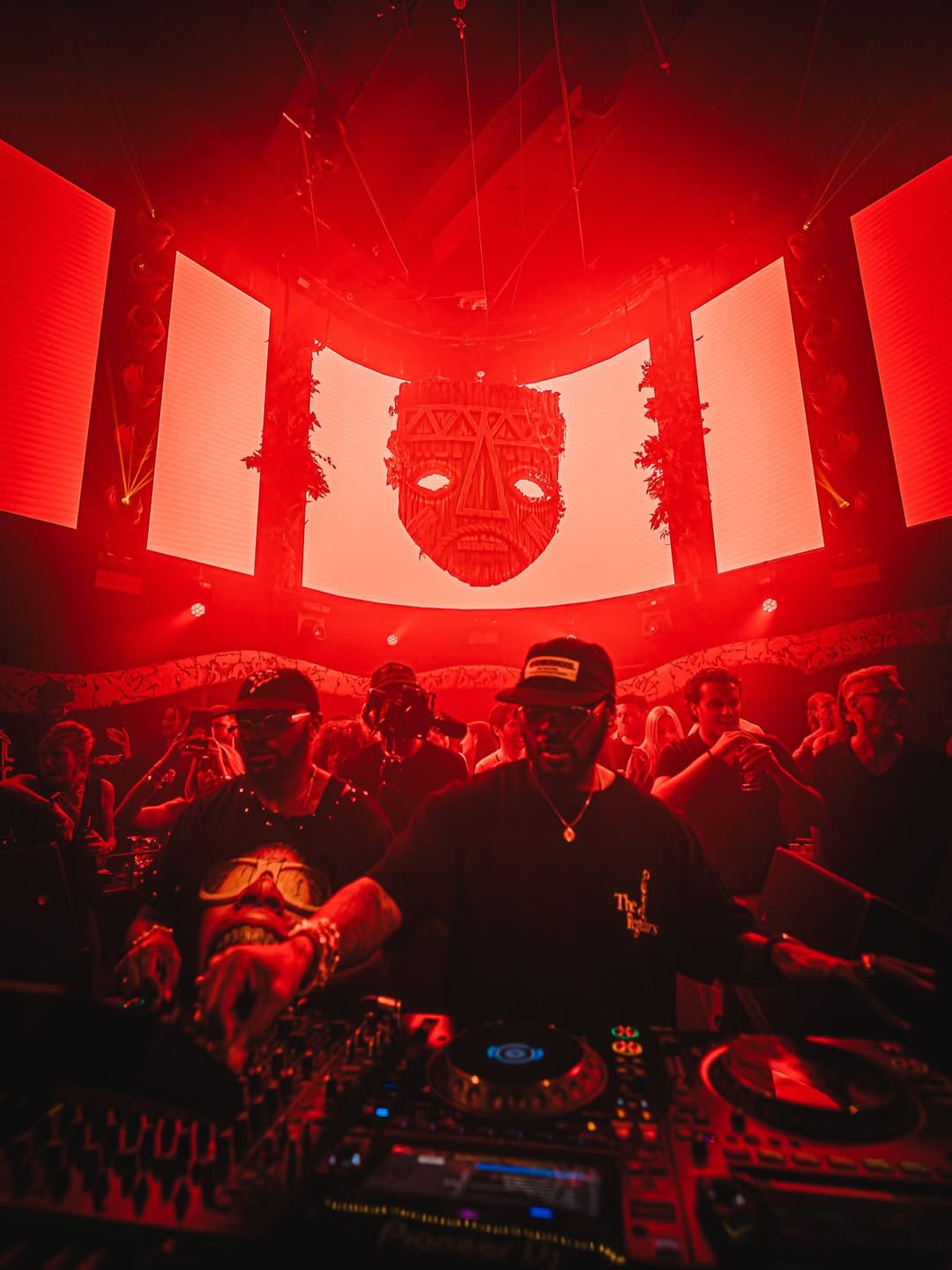
What Obi’s House curated — week after week, season after season — was a Lagos crowd’s relationship with the full spectrum of African dance music. Afrobeats remained the lingua franca, but Amapiano and Afro house were native speakers too. Breakthrough sets from Sarz, Dope Ceasar, Smeez and D3an, and a rotating cast of Lagos DJs who understood the new grammar of the dancefloor turned the Monday night institution into something the industry watched closely. What was landing at Obi’s House on a Monday was landing in the broader culture by the weekend.
The series has since expanded — to London, where it sold out E1 venue; to Atlanta; and now to Margate, where it took over Dreamland for a UK day party that Afropolitain described as a Lagos-meets-London beach zone. The export of Obi’s House is, in miniature, the export of the sonic shift it documented: a version of Nigerian nightlife culture in which Amapiano is not a guest but a resident.
The Mainstream Absorbs the Grammar
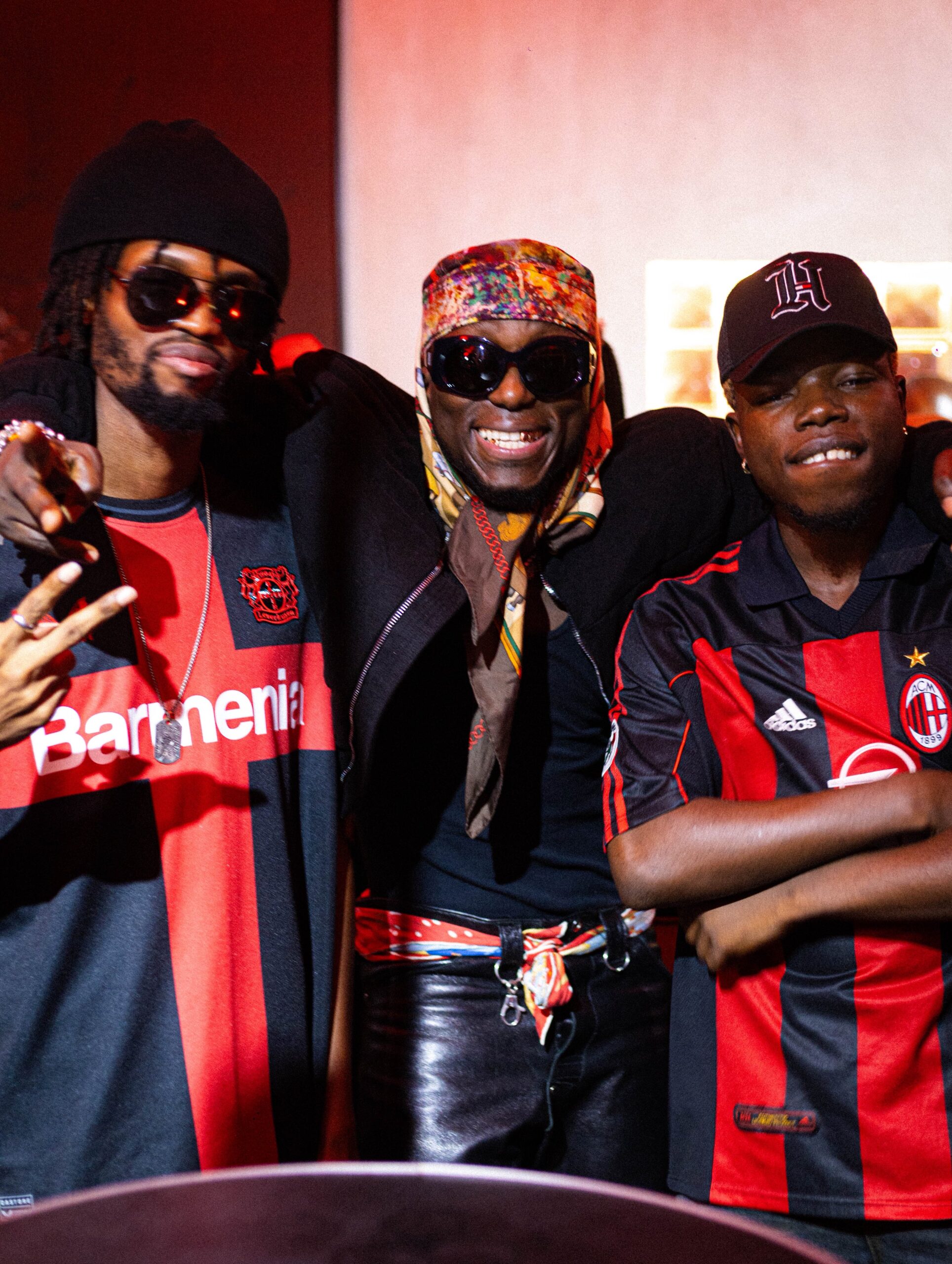
While Smeez and D3an were holding the pure piano position and Obi’s House was curating the cultural shift in real time, the mainstream was absorbing the grammar in its own way — and producing records that made the influence impossible to ignore.
Asake went furthest in making the absorption a thesis statement. His 2023 album Work of Art did not merely incorporate Amapiano — it named it, literally, with a track called Amapiano featuring Olamide that earned a Grammy nomination for Best African Music Performance. The record placed log drums in direct conversation with Yoruba fújì choral vocals, a juxtaposition
that should not have worked but felt inevitable once it existed. Asake was demonstrating that you could take the South African sound’s architecture and rebuild it with Nigerian materials — not as imitation but as genuine creative synthesis.
DJ Tunez arrived at the intersection with different tools. His alliance with Wizkid and, crucially, his collaboration with DJ Maphorisa on the South Gidi EP in 2025 placed him at the exact point where Lagos met Johannesburg in record form. Money Constant, the EP’s lead single featuring Mavo, spent over thirty days at number one on Apple Music Nigeria. One Condition crossed 37 million Spotify streams. These were not Amapiano records wearing Nigerian clothes. They were records that spoke both languages simultaneously — and proved that the grammar Amapiano introduced to Nigeria had been fully internalized, not merely borrowed.
Burna Boy moved through the influence with characteristic independence. His Grammy-nominated track Higher, produced over an Amapiano-inspired beat by Yo Dibs, took the genre’s sonic texture and filled it with some of his most reflective songwriting. Yemi Alade released an entire EP called Mamapiano, exploring what the sound meant for an artist whose musical identity was defined by a different African tradition entirely. Niniola, one of Nigeria’s most consistent afro house artists, found in the Amapiano influence a natural extension of the electronic terrain she had been building for years.
“Amapiano is losing its DJ face. In South Africa we consume it like house music. Outside of South Africa, it’s consumed like Afrobeats. We need to fix that.”
— Bandile Mbere, Major League DJz
The Tension Underneath
Not everyone in the conversation has been comfortable with where it is heading.
The observation that Major League DJz made — that outside South Africa, Amapiano is consumed like Afrobeats rather than like house music — points to a genuine tension at the heart of the Nigerian adoption. When a genre defined by extended DJ sets and long, patient grooves designed for hours of dancing is absorbed by a pop market that structures its consumption around three-minute singles and streaming playlists, something is inevitably lost in translation. The log drum becomes a flavouring. The shaker becomes a production technique. The architectural patience that defines the original form — the way a great Amapiano set breathes and builds over ninety minutes — gets compressed into a feature on a release that will be forgotten within the streaming cycle.
Smeez and D3an were, in part, a response to this compression. Their insistence on producing pure piano was an argument that something was worth preserving — that the version of the genre Nigeria was adopting in its most commercial form was not the whole thing, that the whole thing deserved a hearing too. The Hause, another Lagos ensemble pushing rich jazzy interpretations of Afro house and Amapiano, made the same argument through their event series The Hause Fellowship, building community around a more patient, more structural engagement with the music.
There is also the question of credit and cultural ownership — one the African music conversation has been reluctant to have clearly. Amapiano is a South African sound, built in Gauteng townships by South African producers and DJs who spent years developing its vocabulary before the rest of the continent arrived. The speed with which Nigeria absorbed the influence and began producing records that reached global audiences on those South African sonic foundations is a source of pride for some and unease for others. The South African music community has periodically noted that Amapiano’s international recognition often arrives attached to Nigerian artists or to pan-African collaborative records rather than to the genre’s originators.
These tensions do not negate the richness of what the synthesis produced. But they are worth naming, because they are part of the story that the music itself tells if you listen carefully enough.
What Comes Next
By 2025, it was becoming possible to speak of Amapiano’s dominance over the Nigerian soundscape in the past tense — not because the influence had receded, but because it had been fully metabolised. The log drum was no longer a South African import. It was a Nigerian tool. And Nigerian music, as it always has, was already looking for the next frontier.
3-step, an Afro house subgenre led by South African producer Thakzin, began appearing in the records of BNXN, Fireboy DML, and a clutch of younger Nigerian artists. Temi, a cultural observer quoted in Mixmag, put it plainly: the scene was bullish on Afro house and 3-step taking centre stage as the next genres to enter the Nigerian electronic music canon. The pattern was familiar. South Africa builds a sound. Nigeria hears it. Nigeria absorbs it. Nigeria makes it its own. The output changes the continental conversation. The next South African sound arrives.
This is not a story of appropriation, though it contains its tensions. It is a story of how African music moves when the barriers between national music scenes are permeable — when a Lagos DJ and a Johannesburg producer can build something together that neither would have
made alone, when a Monday night in Victoria Island can serve as a laboratory for the sound that will define an entire continent’s dance floors two years hence.
Obi’s House is still running. Smeez and D3an are still pushing. The log drum is still in the mix. And somewhere in a Lagos studio, a producer is layering something over something else, listening for the moment when two sounds stop being two things and become one.
Debutlab publishes one story a week on how African music moves in the digital age.
debutlab.com · Think Piece