


A city of walls
Jericho was one of the oldest cities in the world — and one of the most fortified. Its walls were thick enough for houses to be built within them. To the natural eye, Jericho was impenetrable. It was a city that said to any enemy: You cannot come in here.
But Jericho is not simply an ancient city on a map. Jericho is a picture — a picture of every wall that has ever stood between a human soul and the love of God. It is a picture of pride, of sin, of shame, of broken hearts and closed-off lives. And the story of Jericho is ultimately the story of what God’s love does to every wall it meets: it brings them down.
Today we will walk through two encounters at Jericho — one in the Old Testament, one in the New — and we will see together that God’s love is not polite. It does not knock timidly. It marches, it shouts, and it tears down everything that stands between you and Him.
When Israel stood before Jericho, God gave them a battle plan that made no military sense. No siege engines. No battering rams. No generals’ strategy. Instead: march around the city once a day for six days. On the seventh day, march seven times — then shout.
Why such a strange command? Because God wanted Israel — and He wants us — to understand something crucial: the walls do not fall because of our strength. They fall because of His love in action.
Notice that God declared the victory before the march even began: “I have delivered Jericho into your hands.” Past tense. Done. God does not wait until you have solved your problem to love you. He declares the outcome from a place of love, and then He walks with you through the process.
For six days, nothing visible happened. The walls still stood. Soldiers still manned them. But God’s people marched in obedient faith. And on day seven, at the sound of the trumpets and the shout of the people, the walls came tumbling down — completely flat.
Friend, you may have been marching around your Jericho for a long time. A broken marriage. A disease. A habit that has kept you captive for years. A grief that feels immovable. And the walls still look the same. But hear this: God’s love has already declared the outcome. His love is not uncertain. His love is not hoping for the best. His love has already spoken your victory into existence — and it is marching with you every single day until those walls fall.
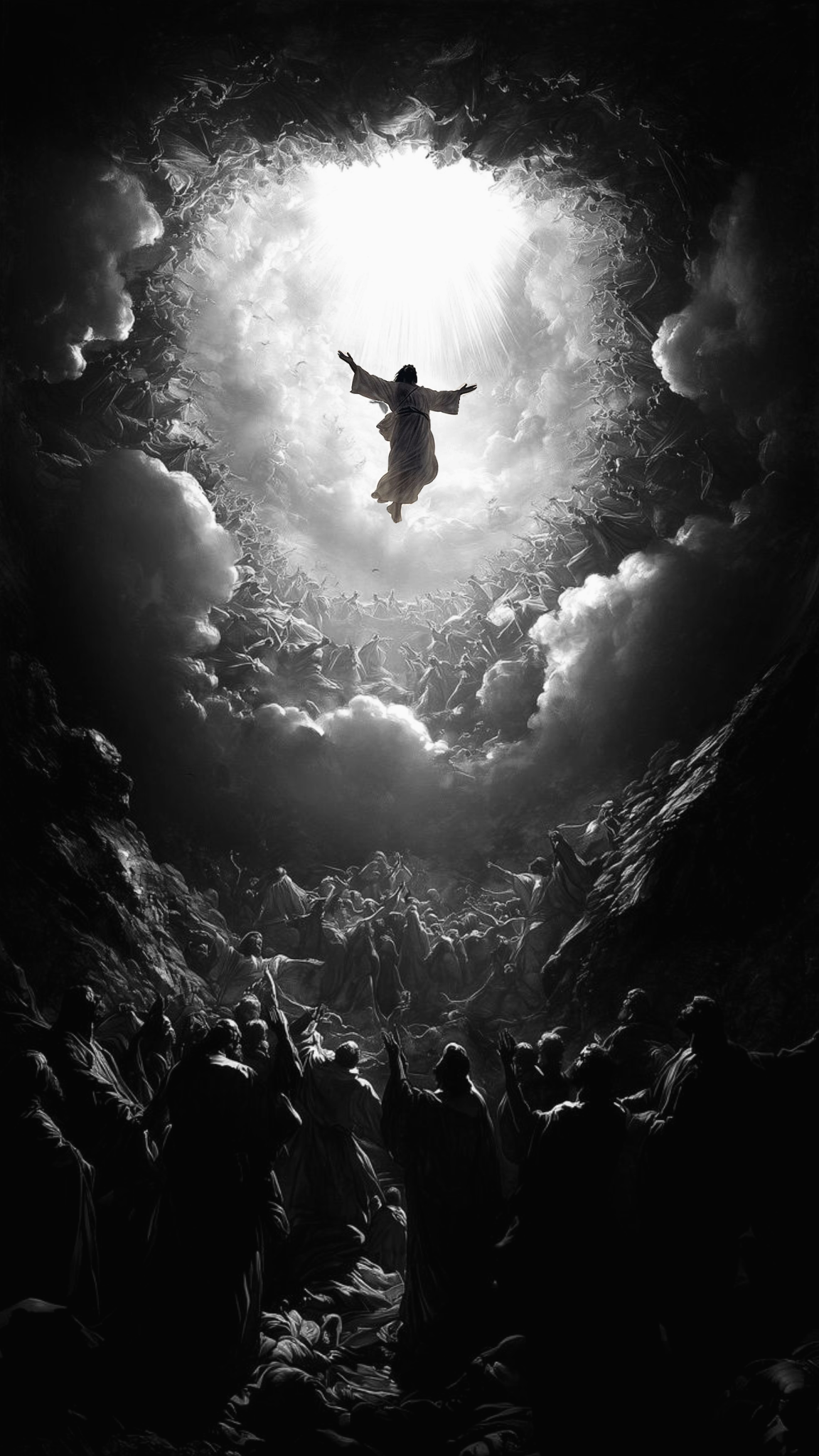
God’s love seeks the unseen (Luke 19:1–10)
Centuries after Joshua, another encounter happened at Jericho — quieter, more personal, but no less miraculous. Jesus was passing through the city when a man named Zacchaeus climbed a sycamore tree to catch a glimpse of Him.
Zacchaeus was a chief tax collector. In that culture, he was a traitor, a thief, a man publicly despised. Society had built a wall around him — a wall of rejection, exclusion, and shame. Even his short stature meant he was constantly looking up at a world that had no place for him in the front row.
But look at what Jesus does. He stops. He looks up. And He says: “Zacchaeus, come down immediately. I must stay at your house today.”
Not: “Clean up your life and then I’ll visit.” Not: “Come to me when you’ve paid everyone back.” Jesus called Zacchaeus by name — publicly, tenderly, urgently — while the man was still in his sin, still in his shame, still despised by every person around him.
That is the love of God. It does not wait for you to be worthy. It crosses the street to find you. It calls your name in the crowd. It says I must — not “I should” or “I might” — I must come to where you are today.
And what happened? Zacchaeus came down immediately. And in the warmth of Jesus’ presence, something the law could never accomplish happened in a moment: transformation. Zacchaeus declared he would give half his possessions to the poor and repay everyone he had cheated fourfold. The walls of greed and selfishness crumbled — not because he was lectured, but because he was loved.
“Salvation came to his house — not because Zacchaeus earned it. Because Jesus walked through Jericho looking for him.”
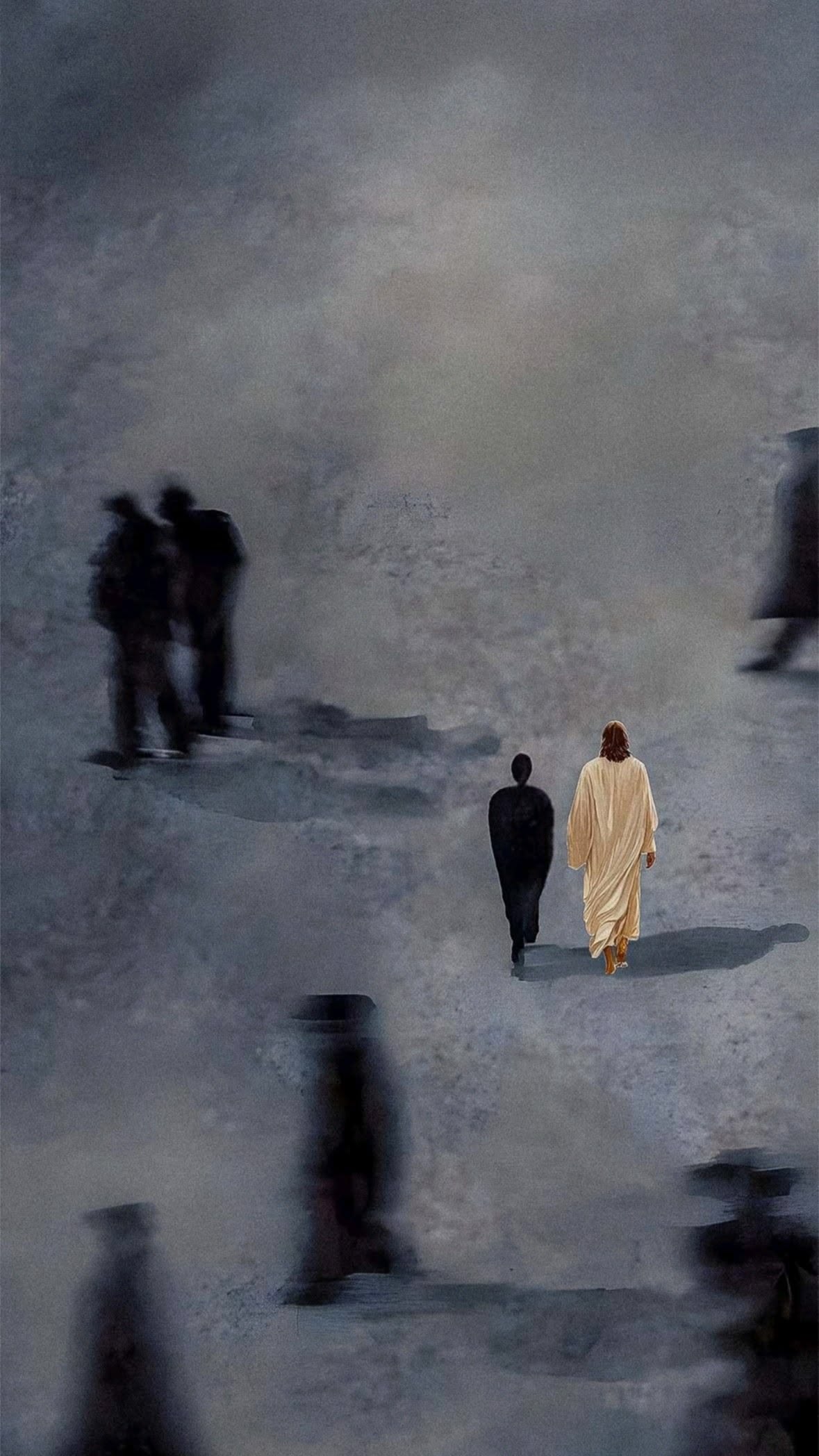
The scarlet cord: love that remembers (Joshua 2 & 6)
Before the walls ever fell, there was a woman named Rahab inside Jericho. She was a prostitute. A Canaanite. By every standard, an outsider to God’s covenant — unreachable, unworthy, unwanted.
Yet she had heard of God’s love — how He parted the Red Sea, how He fought for His people — and faith rose in her heart. She hid the Israelite spies and asked one thing: “Please spare my family.” The spies told her to hang a scarlet cord from her window.
When the walls of Jericho fell — the entire city flattened in judgment — one window remained. One house stood. The house marked by a scarlet cord. And Rahab and her family were saved.
That scarlet cord is the love of God. It is the blood of Jesus Christ — a mark of mercy in the middle of judgment. And it tells us something breathtaking: God’s love is particular. It sees you specifically, personally, individually. When everything around you is shaking and falling, the one who is marked by God’s grace will be kept.
Rahab — an outsider, a sinner by trade — later appears in the genealogy of Jesus Christ Himself (Matthew 1:5). God did not just save her. He honoured her. He wove her into the very story of His Son. That is what His love does: it does not merely rescue you from the rubble. It gives you a place in His family forever.
What kind of love marches around your impossibility for seven days and shouts the walls to rubble? What kind of love climbs past a whole crowd to find one lonely man in a tree? What kind of love hangs a scarlet cord in one window and holds that house together while everything else falls?
Only one love. The love of God.
It is not a polite love. It is not a distant love. It is not a love that waits for you to deserve it. It is a love that marches, that seeks, that calls your name, that marks your door — and will not stop until every wall between you and God lies flat on the ground.
Perhaps you came here today with walls still standing. Walls of guilt. Walls of doubt. Walls of pain or regret. Perhaps you feel like Jericho — fortified on the outside, empty on the inside. Perhaps you feel like Zacchaeus — up a tree, overlooked, too small to matter.
Hear the Word of the Lord: Jesus is passing through your Jericho today. He is looking up. He is calling your name. And He says — not “maybe,” not “if you qualify” — I must come to your house today.
“The walls can fall. The cord can hold. The man in the tree can come down. All it takes is one encounter with the love that has never stopped marching for you.”
Let us pray — and let the walls come down. Amen.